AISO Blog vs SERPView
Side-by-side comparison to help you choose the right product.

AISO Blog
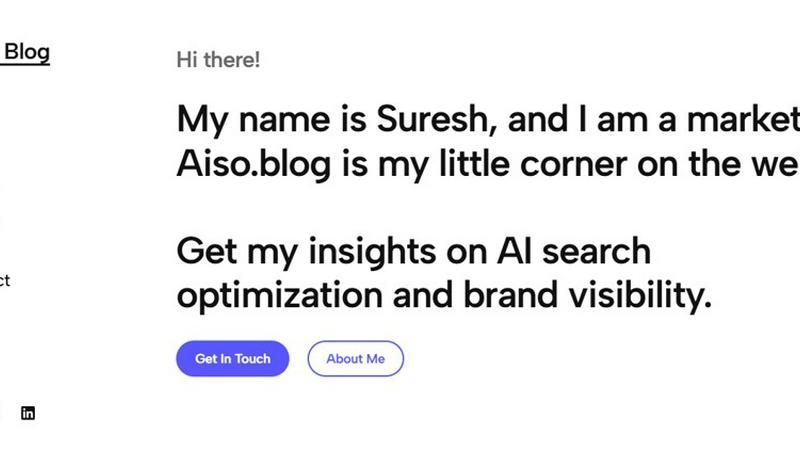
AISO Blog is a trusted digital marketing and SEO resource created by Suresh, an industry expert with over 15 years of experience.

SERPView
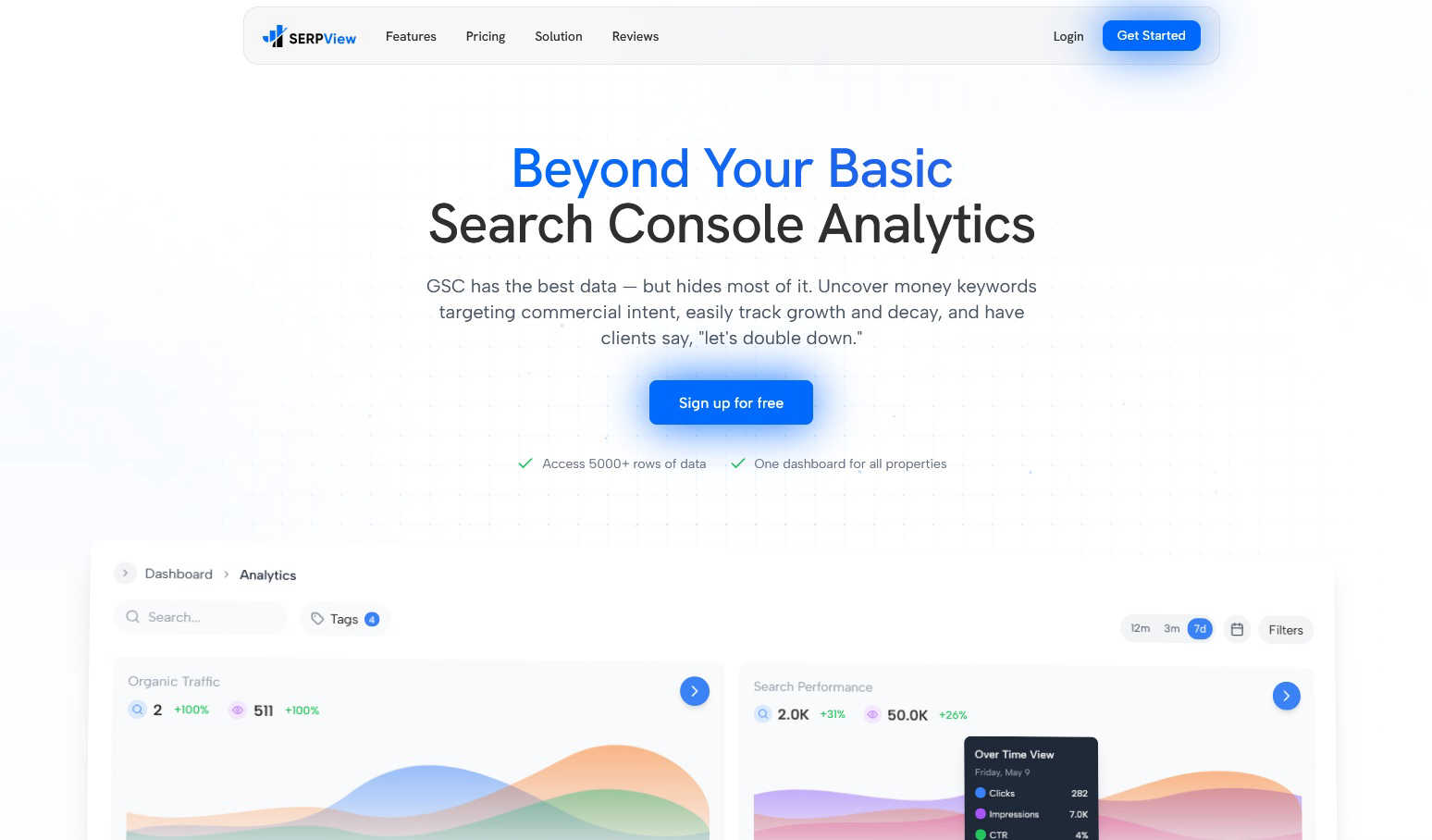
SERPView unlocks hidden Google Search Console data for powerful, unlimited SEO analytics.
Last updated: March 1, 2026
Visual Comparison
AISO Blog
SERPView
Overview
About AISO Blog
AISO Blog is a trusted digital marketing and SEO resource created by Suresh, an industry expert with over 15 years of experience.
The blog focuses on practical, results-driven strategies covering SEO, content marketing, AI in search, website optimization, and online growth.
AISO Blog helps businesses, marketers, and founders cut through noise, avoid outdated tactics, and build sustainable organic traffic that converts.
About SERPView
SERPView is the definitive power-up for Google Search Console, engineered to obliterate data limitations and unlock hidden SEO potential. Built for SEO professionals, digital marketers, and agencies who demand speed and depth, it transforms the cumbersome, restricted GSC interface into a centralized command center. Its core mission is simple: deliver unfiltered, actionable search analytics at scale. The platform shatters GSC's 1,000-row data ceiling, granting instant access to over 50,000 rows of performance data. This means comprehensive visibility into every keyword, page, and query driving your organic traffic. SERPView consolidates all your GSC properties into a single, intuitive dashboard, eliminating the frustrating back-and-forth between accounts. It goes beyond basic reporting with advanced analytics like topic cluster tracking, mobile vs. desktop breakdowns, international insights, and correlation with Google algorithm updates. By surfacing money keywords, identifying underperforming content, and providing clear performance trends, SERPView empowers teams to make data-driven decisions fast, optimize strategies with precision, and accelerate organic growth. Stop wrestling with data access and start commanding it.