qtrl.ai vs Requestly
Side-by-side comparison to help you choose the right product.

qtrl.ai
qtrl.ai empowers QA teams to scale testing with AI agents while maintaining full control and governance for optimal.
Last updated: March 4, 2026

Requestly is a fast, git-based API client that enables easy collaboration without login, making API testing effortless and efficient.
Visual Comparison
qtrl.ai

Requestly
Overview
About qtrl.ai
qtrl.ai is an innovative QA platform that empowers software teams to enhance their quality assurance processes without sacrificing oversight or governance. Tailored for product-led engineering teams, QA departments transitioning from manual to automated testing, and enterprises with stringent compliance requirements, qtrl.ai seamlessly integrates enterprise-grade test management with advanced AI-driven automation. Its central hub allows teams to organize test cases, plan test runs, trace requirements, and monitor quality metrics through dynamic, real-time dashboards. This structured environment ensures complete transparency regarding testing coverage, pass rates, and potential risks. Unlike traditional automation tools that often complicate processes, qtrl.ai introduces intelligent automation incrementally, allowing teams to start with straightforward manual testing and scale to autonomous agents that generate and maintain UI tests from plain English descriptions. Ultimately, qtrl.ai bridges the gap between the slow, meticulous nature of manual testing and the complexities of traditional automation, ensuring a trusted pathway to faster and smarter quality assurance.
About Requestly
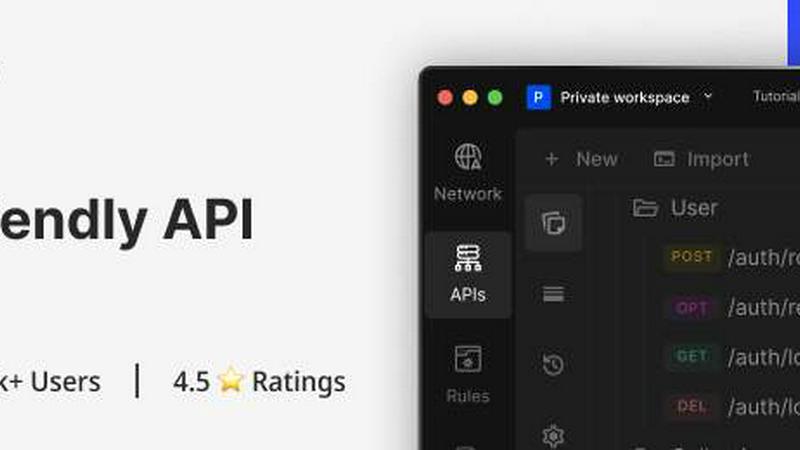
Requestly is a modern, lightweight API client designed specifically for development teams that prioritize control and efficiency in their API workflows. Unlike traditional cloud-based solutions, Requestly operates with a local-first approach, ensuring that your data remains secure and stored directly on your machine. This is a significant advantage for teams looking to maintain version control over their API collections, as Requestly allows collections to be stored as files that can easily integrate with Git. With the power of AI integrated into its core, Requestly not only streamlines the process of writing requests and generating tests but also enhances debugging capabilities, making it faster and easier for developers to work with APIs. It supports both REST and GraphQL, offering features like schema introspection, pre/post request scripts, and environment variables. The platform also encourages collaboration with its free-tier features, which include shared workspaces and role-based access control. With no sign-up required, developers can start using Requestly immediately, a feature that has gained the trust of over 300,000 users from top companies like Microsoft, Amazon, Google, and Adobe.