RazFit vs ZoeMD
Side-by-side comparison to help you choose the right product.


ZoeMD
ZoeMD delivers instant, evidence-based medical insights to streamline clinical decisions.
Last updated: February 28, 2026
Visual Comparison
RazFit
ZoeMD
Overview
About RazFit
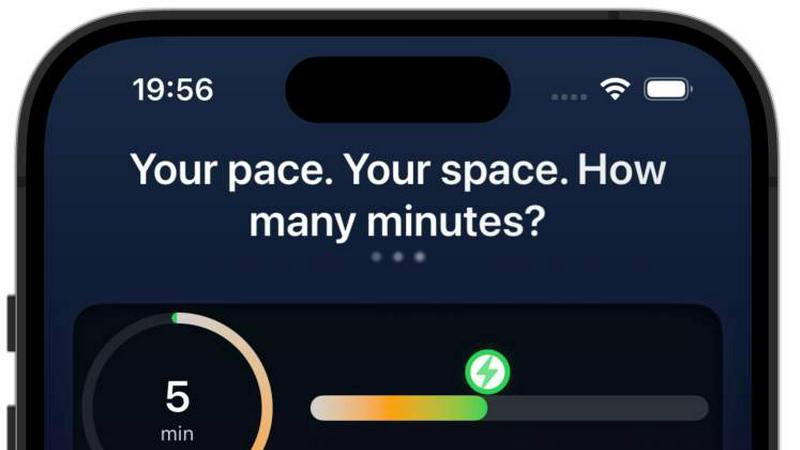
RazFit is a native iOS fitness app built 100% in SwiftUI for iPhone and iPad. It delivers high-intensity bodyweight workouts in just 1 to 10 minutes a day — no gym or equipment required. The app features AI coaching with two virtual trainers, Orion and Lyss, who evaluate your fitness level and adapt exercises automatically. A gamification system with 32 unlockable milestones keeps you motivated through an entire year of training. Every exercise includes easier and harder modifications so you control your progression. RazFit is designed for all fitness levels, from complete beginners to advanced athletes. It leverages iOS 18+ technologies for a fast, smooth native experience. Start with a 3-day free trial.
About ZoeMD
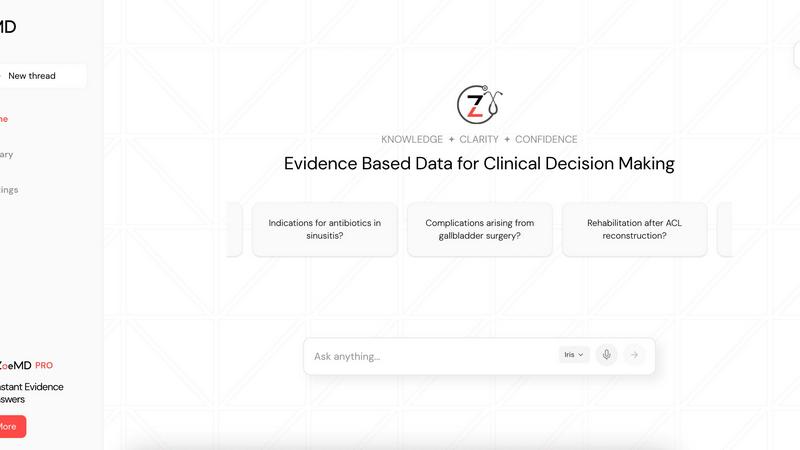
ZoeMD is the definitive AI-powered clinical decision support platform, engineered to put evidence-based medicine directly into the hands of healthcare professionals. It's designed to eliminate the friction of traditional research, delivering rapid, reliable answers precisely when and where they're needed: at the point of care. By instantly accessing and synthesizing a vast repository of peer-reviewed medical research, clinical guidelines, and key studies, ZoeMD transforms complex data into concise, actionable takeaways. This empowers physicians, medical students, and researchers to make informed decisions with unparalleled speed and confidence, directly enhancing patient encounters. Its intuitive, plain-language interface ensures seamless integration into any clinical workflow, providing clear, evidence-backed responses that support—never replace—clinical judgment. ZoeMD is the essential tool for modern healthcare, driving efficiency, consistency, and excellence in evidence-based practice.