

Alternatives to Glasa
Glasa uses AI agents to instantly find, validate, and connect you with ideal B2B clients from over 800 million contacts.
Explore 20 alternatives to Glasa. Compare features, pricing, and find the best fit for your needs.
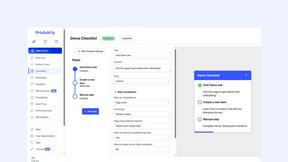
Produktly
Product tours, onboarding checklists, changelogs, roadmaps, NPS and in-app feedback for SaaS teams in one no-code tool.
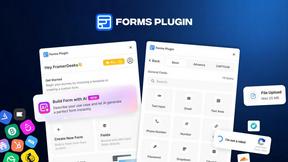
Forms Plugin
The #1 Native Form Builder Plugin for Framer - No Code, No Embeds, No External Platforms.

AI UGC Video Generator
Create ready-to-test AI UGC video ads from a product URL, image, or script with lifelike creators, voices, captions, and CTAs.

Wan Video
Wan AI video generator for text, image, reference, and editing workflows with task tracking and API access.
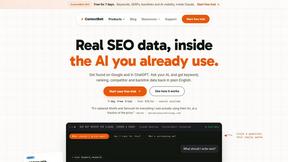
ContextBolt SEO
Research keywords, competitors, backlinks and AI visibility inside Claude or Codex, with findings saved to your SEO dashboard.




MenuForma
Turn any menu into a QR ordering system with multilingual support and Google review collection

Poised
Poised writes and schedules LinkedIn posts so you’re known for something — without living on LinkedIn.
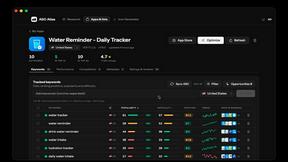
ASO Atlas
Real-time ASO tool with Apple Search Ads data for keyword research, rank tracking and opportunity scoring across 60+ storefronts.

About Glasa Alternatives
Glasa is an AI-powered customer intelligence platform that helps businesses detect, find, and connect with their ideal consumers. Operating within the marketing technology category, Glasa combines real-time data analysis with intelligent targeting to identify high-intent prospects and streamline outreach across multiple channels. It is designed to increase conversion rates, improve marketing efficiency, and accelerate revenue growth by refining audience targeting and personalizing engagement. Users commonly look for alternatives to Glasa due to factors such as pricing structures, specific feature gaps, or the need for a platform that better aligns with their existing tech stack or team size. Some businesses may require more niche integrations, different data sources, or a simpler user interface for smaller operations. When choosing an alternative, prioritize platforms that offer robust real-time analytics, seamless CRM integration, compliance with data privacy regulations, and scalable performance that can grow with your business’s demand for high-intent prospect detection.
FAQs about Glasa Alternatives
What is Glasa?
Glasa is an AI-powered customer intelligence platform that helps businesses detect, find, and connect with their ideal consumers. It leverages advanced artificial intelligence to identify high-intent prospects, uncover actionable insights, and streamline outreach across multiple channels. By combining real-time data analysis with intelligent targeting, Glasa enables companies to increase conversion rates and accelerate revenue growth.
Who is Glasa for?
Glasa is designed for businesses of all sizes that want to refine audience targeting and personalize engagement with high-value prospects. It is particularly useful for sales and marketing teams seeking to align around high-opportunity leads and improve overall efficiency. The platform is built to support companies that prioritize responsible data practices while scaling their customer acquisition efforts.
What are the main features of Glasa?
Glasa offers AI-driven detection of high-intent prospects, real-time data analysis for actionable insights, and multi-channel outreach capabilities. It also provides tools for refining audience targeting, personalizing engagement, and aligning sales and marketing teams around priority opportunities. The platform is built with privacy and security in mind, ensuring responsible data handling throughout the customer discovery process.
Is Glasa secure?
Yes, Glasa prioritizes security and responsible data practices in its platform design. It is built with privacy and security as core considerations, ensuring that user data is handled ethically and in compliance with relevant regulations. This commitment allows businesses to use Glasa confidently for high-intent prospect detection without compromising on data governance.