

Alternatives to LLM Reference
LLM Reference helps tech leaders quickly find and compare the best AI models and providers for their specific project needs.
Explore 20 alternatives to LLM Reference. Compare features, pricing, and find the best fit for your needs.
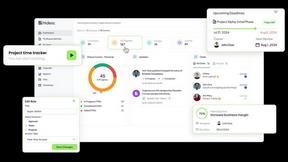
Hidesc
AI-powered CA practice, task, meeting, OKR, and workflow management software for growing teams.
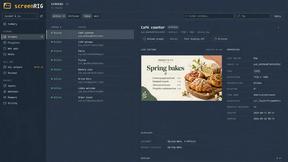
screenRIG
Signage and kiosk infrastructure for AI agents. Your agent publishes images, video, streams, web pages and apps to screens via one plugin.screenRIG is
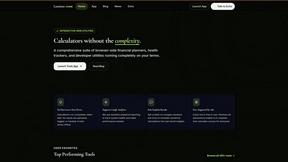
Luminus Tools
A comprehensive suite of browser-side financial planners, health trackers, and developer utilities running completely on your terms.

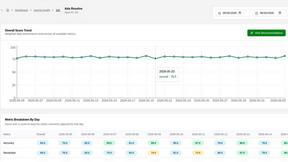

Free Gemini Omni
Create, remix, and edit cinematic AI videos online from text, images, audio, and video prompts.

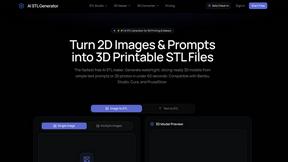
AI STL Generator
The fastest AI STL generator to turn prompts and images into 3D printable STL files.


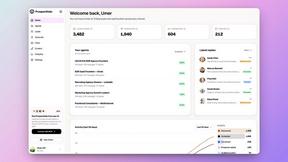
Speechyou
AI transcription for voice notes, meetings, and audio files in 1,700 languages, with AI summaries and subtitle export and unlimited chat ai usage.
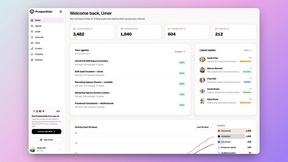
ProspectHalo
AI sales agent that finds qualified leads, runs outreach, follows up automatically, creates content, and helps book more meetings.

benchmark.directory
The tool for the job, without the sales pitch. 146 AI tools we paid for, set up and actually used before listing them.

saasgrow.ai
No sponsored slots, no paid placement. Just SaaS growth tools that passed screening, sorted into categories you can browse.
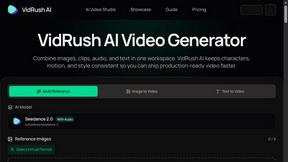
VidRush AI
AI long video generator: turn text, images, audio and video into production-ready AI videos.

Tools Network
Tools Network is a curated directory of the best AI tools across 25+ categories — from writing and image generation to coding and marketing.
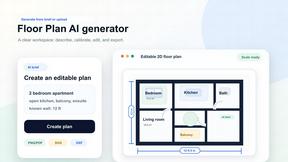
Floor Plan AI
Create reviewable 2D floor plan images from prompts, dimensions, or reference images.

About LLM Reference Alternatives
When you need to pick the right large language model for a specific project, LLM Reference acts as a high-speed decision-support directory for engineers and tech leaders. It sits squarely in the AI Assistants category, but its real utility is as a triage tool for comparing over 1,700 models from more than 130 providers. Users commonly seek alternatives not because the tool falls short, but because they might need deeper integration with their existing stack, a more specialized focus on a single provider’s ecosystem, or a different pricing model for high-volume API calls. Others might want a platform that offers direct model access or a more visual dashboard for team collaboration. When evaluating an alternative, prioritize three things: data freshness, filtering speed, and cost transparency. The ideal replacement should update its benchmarks and pricing at least weekly, just like LLM Reference does, because the AI landscape shifts every few days. You also need a tool that lets you filter models by specific tasks—coding, agents, writing, or research—without wading through noise. Finally, look for a solution that surfaces the cheapest provider for frontier output at a glance, so you don’t waste compute budget on overpriced inference. The best alternatives will let you get back to shipping faster than you can say “model comparison.”
FAQs about LLM Reference Alternatives
What is LLM Reference?
LLM Reference is a decision-support directory designed for engineers and technology leaders to quickly find and compare the best AI models and providers for their specific project needs. It tracks over 1,700 models from more than 130 providers and 235 research labs, with data refreshed weekly to include new releases, verified price changes, and benchmark updates. The platform provides a single, trustworthy place to compare models side-by-side, see cheapest pricing for frontier output, and browse curated editors' picks for tasks like coding, agents, writing, and research.
Who is LLM Reference for?
LLM Reference is built for engineers, technology leaders, and anyone responsible for selecting large language models in a professional or project context. It is ideal for teams building coding assistants, agentic workflows, writing tools, or research pipelines who need to quickly triage which model and provider fits their use case. The tool is also valuable for product managers and technical architects who need to stay current with the exploding LLM ecosystem without wasting time hunting through scattered sources.
Is LLM Reference free?
Based on the product description, LLM Reference is built by the Data Advantage project and is updated daily as a publicly accessible resource. The core value proposition centers on providing a single, trustworthy directory for model comparison without mention of a paywall or subscription model. Users can access the Pulse feed, side-by-side model comparisons, and curated editors' picks as part of the standard offering. For the most current pricing and access details, you should visit the official LLM Reference website directly.
What are the main features of LLM Reference?
The main features include a searchable directory of over 1,700 models from more than 130 providers, with weekly data refreshes covering new releases, verified price changes, and benchmark updates. Users get a Pulse feed that highlights what changed each week, side-by-side model comparison tools, and curated editors' picks for specific tasks like coding, agents, writing, research, image generation, and video creation. The platform is designed for fast triage, allowing you to quickly identify the right model, determine the most cost-effective provider, and get back to building.