

Alternatives to Self-Healing Integrations
Experience rapid, self-healing integrations that keep your systems connected and operational, eliminating costly downtime and manual maintenance.
Explore 20 alternatives to Self-Healing Integrations. Compare features, pricing, and find the best fit for your needs.
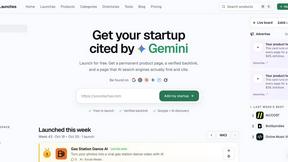
DiscoverLaunches
A weekly launch board that gives every product a permanent, SEO ready page and a dofollow backlink.

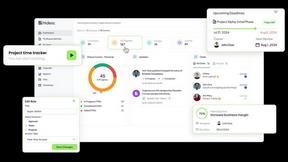
Hidesc
AI-powered CA practice, task, meeting, OKR, and workflow management software for growing teams.

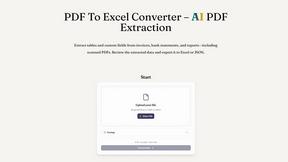
PDF to Excel
ReadyData is an online PDF to Excel converter powered by AI. It helps users extract tables and relevant fields from invoices, bank statements, reports
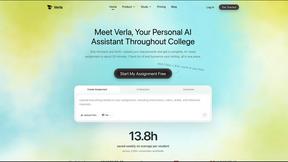
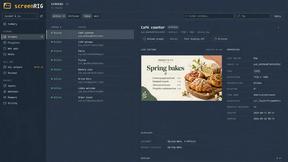
screenRIG
Signage and kiosk infrastructure for AI agents. Your agent publishes images, video, streams, web pages and apps to screens via one plugin.screenRIG is
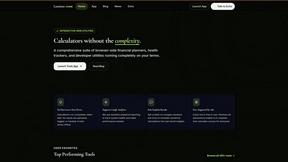
Luminus Tools
A comprehensive suite of browser-side financial planners, health trackers, and developer utilities running completely on your terms.

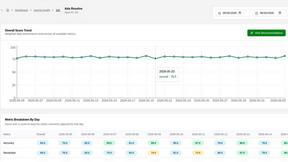

Free Gemini Omni
Create, remix, and edit cinematic AI videos online from text, images, audio, and video prompts.


AI STL Generator
The fastest AI STL generator to turn prompts and images into 3D printable STL files.


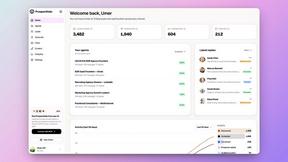
Speechyou
AI transcription for voice notes, meetings, and audio files in 1,700 languages, with AI summaries and subtitle export and unlimited chat ai usage.
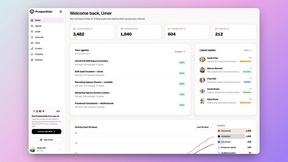
ProspectHalo
AI sales agent that finds qualified leads, runs outreach, follows up automatically, creates content, and helps book more meetings.

benchmark.directory
The tool for the job, without the sales pitch. 146 AI tools we paid for, set up and actually used before listing them.
saasgrow.ai
No sponsored slots, no paid placement. Just SaaS growth tools that passed screening, sorted into categories you can browse.

VidRush AI
AI long video generator: turn text, images, audio and video into production-ready AI videos.
About Self-Healing Integrations Alternatives
Self-Healing Integrations is a cutting-edge solution designed to seamlessly connect any system within an agentic platform, streamlining the integration landscape. Falling under the category of AI Assistants, it revolutionizes the way businesses manage their integrations by providing an AI-managed lifecycle that monitors and maintains custom integrations post-launch. This eliminates the frustration of traditional integration projects, which often incur a hefty integration tax, slowing down the deployment of new channels, systems, or partners. Users frequently seek alternatives to Self-Healing Integrations due to various factors such as pricing, specific feature sets, or unique platform requirements. When evaluating alternatives, it's crucial to consider the scalability of the solution, its ease of use, and the level of support offered. Additionally, assessing how well the alternative aligns with your business goals and integration strategies will ensure that you choose a solution that not only meets your current needs but also adapts as your business evolves.
FAQs about Self-Healing Integrations Alternatives
What is Self-Healing Integrations?
Self-Healing Integrations is an innovative integration solution that connects various systems within an agentic platform. It is designed to automate the management of integrations, ensuring they remain functional and efficient over time. This approach not only simplifies the integration process but also reduces the ongoing maintenance burden typically associated with custom integrations.
Who is Self-Healing Integrations for?
Self-Healing Integrations is ideal for businesses seeking to streamline their integration processes and reduce the costs associated with traditional integration projects. It caters to organizations that require ongoing changes, monitoring, and maintenance of their custom integrations post-launch. This solution is particularly beneficial for enterprises looking to enhance their operational efficiency by leveraging AI capabilities.
Is Self-Healing Integrations free?
Self-Healing Integrations is not a free service; it operates on a pricing model that reflects the value of its AI-managed lifecycle capabilities. Organizations interested in utilizing this solution should consult the pricing plans to determine the best fit for their needs. The investment typically yields significant returns in terms of reduced integration costs and improved operational efficiency.
What are the main features of Self-Healing Integrations?
The primary features of Self-Healing Integrations include automated monitoring of integrations, proactive maintenance, and the ability to adapt to changes in connected systems. This solution leverages AI technology to ensure that integrations remain operational without requiring constant manual intervention. Additionally, it supports a wide range of systems, making it versatile for various business needs.